🌿 OjasVeda
Nature's science. Your vitality.
Clinical Ayurveda Suite · v7.0 🏥 Vaidya ModePatient copy can be downloaded in any of the 15 languages after the report is generated.
🌿 Ayurvedic Clinical Suite — AI Consultation Report
Generated by AnuragKashyap.org | Charaka · Sushruta · Vagbhata
⚠️ Important Medical Disclaimer
- For educational purposes only — NOT medical advice
- AI analysis cannot replace a qualified Ayurvedic Vaidya
- Always consult a licensed Vaidya before taking any herb
- In any emergency, seek conventional medical care immediately
🌿 Why Ayurveda is Timeless — and Why AI Matters
Ayurveda — the Science of Life — is the world's oldest continuous medical system, spanning over 5,000 years. Rooted in the Vedic tradition and codified by Charaka, Sushruta, and Vagbhata, it rests on a singular insight: every human being is unique, and health is not the absence of disease but the harmonious balance of body, mind, and spirit.
No two patients receive the same treatment, even for the same disease. A cough in a Vata-dominant person calls for warm, unctuous herbs like Dashamula. The same cough in a Kapha person demands dry, pungent Trikatu. The diagnosis is identical; the treatment is entirely different — because Ayurveda treats the person, not the disease.
A Vaidya trained in Charaka Samhita assesses Prakriti (constitution), Vikriti (imbalance), Agni (digestive fire), all seven Dhatus (body tissues), and 14 Srotas (channels) before prescribing. This tool draws on four classical authorities, each with a defined role: Charaka Samhita governs Prakriti, Agni, root cause, and prescription (~50%); Vagbhata's Ashtanga Hridayam governs your Dinacharya (daily routine) and seasonal regimen (~25%); Sushruta Samhita governs clinical examination, photo analysis, and safety (~15%); Bhavaprakasha Nighantu by Bhavamishra governs herb identification — every herb is named in Sanskrit, Hindi, English, and Latin (~10%).
Answer every question completely and honestly. The more of yourself you reveal, the more individualised your Prakriti assessment — and the more precise your treatment.
🏥 Are you an Ayurvedic practitioner (Vaidya)? View plans & activate →
Do You Know Your Condition?
If you have a known condition, enter it. Otherwise, leave blank.
⚠️ For serious conditions (cardiac, neurological, oncological), conventional medical supervision is essential alongside any Ayurvedic support.
🌿 We'll suggest the 5 nearest Ayurvedic stores (Patanjali, Himalaya, Dabur, local pansari shops) in your report.
🏥 Are you an Ayurvedic practitioner (Vaidya)? View plans & activate →
Remedy History
Previous Ayurvedic herbs, formulations, Panchakarma, or other approaches?
🌿 Previous Ayurvedic Treatments
Clinical Reports & Photos
Share test results or clinical photos for more accurate analysis. All optional.
Centre the area in good light. The AI analyses each image individually.
🌿 Ayurvedic tongue reading (Jihva Pariksha) reveals Ama accumulation and Dosha imbalance.
🔬 Clinical Lab Values
Enter values from your most recent reports. Leave blank if not tested.
Patient Profile
👨👩👦 This patient is a minor — Guardian Details Required
For patients under 18, a parent or legal guardian must complete this section.
Tap the illustration that best matches your condition. This helps the AI tailor herb selection to your visual presentation.
🌿 Prakriti Assessment
Answer based on your lifelong nature — not how you feel today. This determines your Vata, Pitta & Kapha constitution.
1. Your body frame and weight
2. Your skin texture
3. Your hair
4. Your eyes
5. Your mind and thinking
6. Your lifelong digestion pattern (constitutional — how you've always been)
7. Your speech and activity
8. Temperature preference
Mental & Emotional State
In Ayurveda, Manas (mind) and Atman (spirit) are as important as the body.
Physical Generals & Agni
🔥 Agni Evaluation (Digestive Fire)
Agni is the cornerstone of Ayurvedic health — most disease begins with impaired Agni (Charaka Samhita, Chikitsasthana 15:3).
Ayurveda locates the root of most chronic disease in the digestive tract (Ama accumulation). Be specific — "bloating 2 hours after meals" is more useful than "poor digestion."
🌿 Lifestyle & Habits
Ayurvedic remedy selection is heavily influenced by Vihar (lifestyle) — be candid for accurate analysis.
Specific Symptoms
In Ayurveda, location indicates which Srotas (channels) and Dhatus (tissues) are affected.
Auto-set from your language selection above. Vaidya: change here to generate patient report in a different language.
Consulting the ancient texts...
Assessing Prakriti...
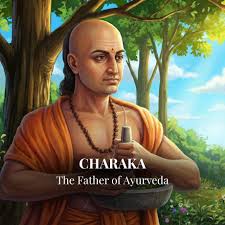
Acharya Charaka
"Hita ahara sevana, hita vihara sevana — right food, right living: this is the entire path of healing."— Charaka Samhita, Sutrasthana 1:15
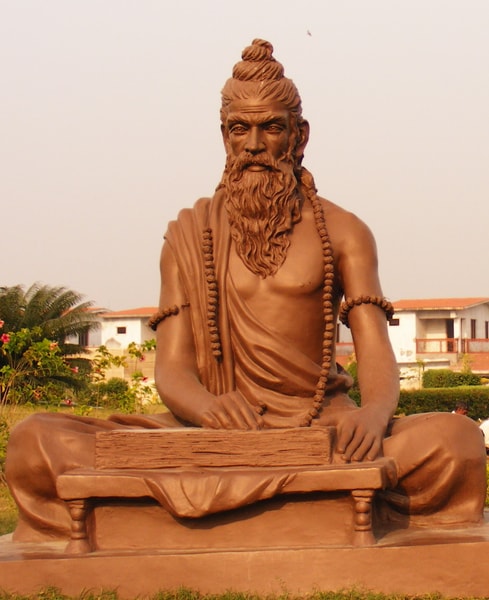
Acharya Sushruta
"Diagnosis is the art of listening with the hands, the eyes, the ears, and the heart — simultaneously."— Sushruta Samhita, Nidanasthana 1:5
📋 Download Patient Copy in a Different Language
Takes ~120–180 seconds. Fresh AI-generated report in the patient's language.